
Mowing large areas takes considerably more than preparing the machine and setting a date for the work. On extensive sites, what counts is the organisation of passes, an assessment of the terrain and matching the equipment to the conditions. Without a plan, the result is downtime, extra fuel consumption and return trips to spots missed during the first pass.
Why is planning mowing work so important?
On large areas, even minor organisational errors reduce productivity: chaotic mowing means higher fuel consumption, faster machine wear and wasted operator time. A well-prepared schedule assigns the right equipment to specific parts of the site — especially slopes, ditches and strips along safety barriers, where standard mowers have limited capability.
What factors should be considered before mowing starts?
Type and condition of the vegetation
Regularly maintained lawns can be mown quickly and with wide passes. Fallow land, tall weeds and neglected verges call for a multi-stage approach and more robust attachments. At the preparation stage it is worth establishing the height of the vegetation, the presence of scrub and self-seeded saplings, the moisture of the ground and the intended use of the site — this determines the choice of blades and working head.
Access to individual areas
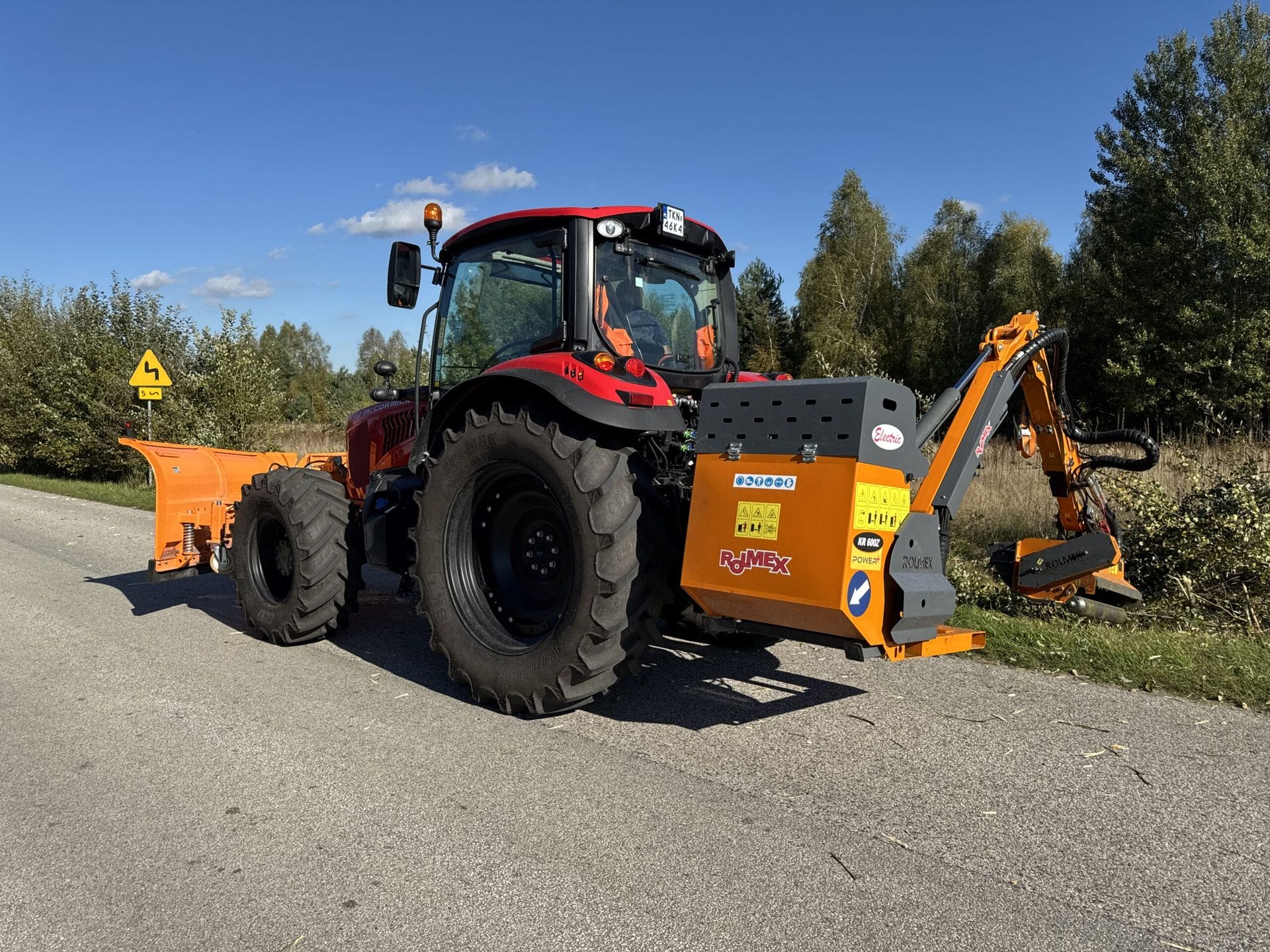
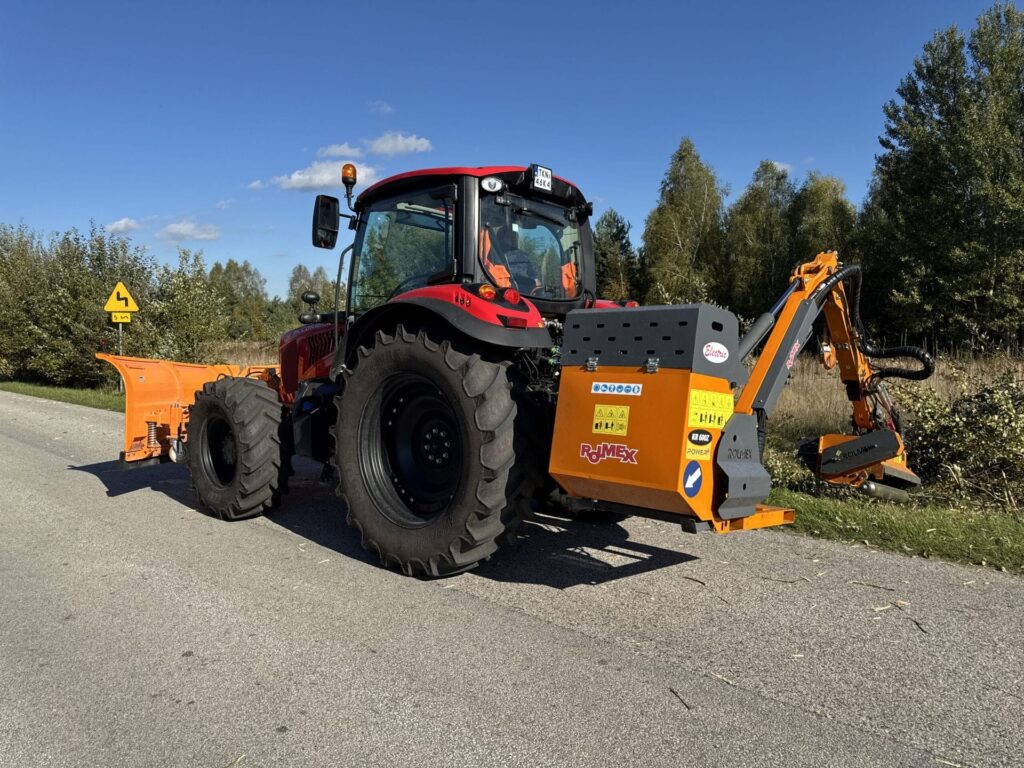
Slopes, drainage ditches and spots next to technical infrastructure make work with standard equipment difficult. This is where boom mowers are used: they mow from a safe distance, without driving onto the slope. Before work starts, it is worth preparing a simple division of the site and marking the problem spots.
How to divide large areas into working stages?
Extensive sites are best divided into sectors by function, level of difficulty and accessibility: road corridors, park areas, slopes and ditches, scrub and verges along fences are each handled separately. The most difficult areas should be tackled at the start of the day, when visibility is best. On larger contracts, simple working maps prove their worth — even a basic diagram of the stages speeds up coordination between several operators. We have gathered practical tips for contractors in the post Won a mowing tender? Here is what to do next.
How does planning affect the safety and efficiency of the work?
Setting out travel routes limits sudden manoeuvres and reversing in places with poor visibility. Well-defined stages help reduce fuel consumption, shorten machine working time and make better use of specialist equipment.
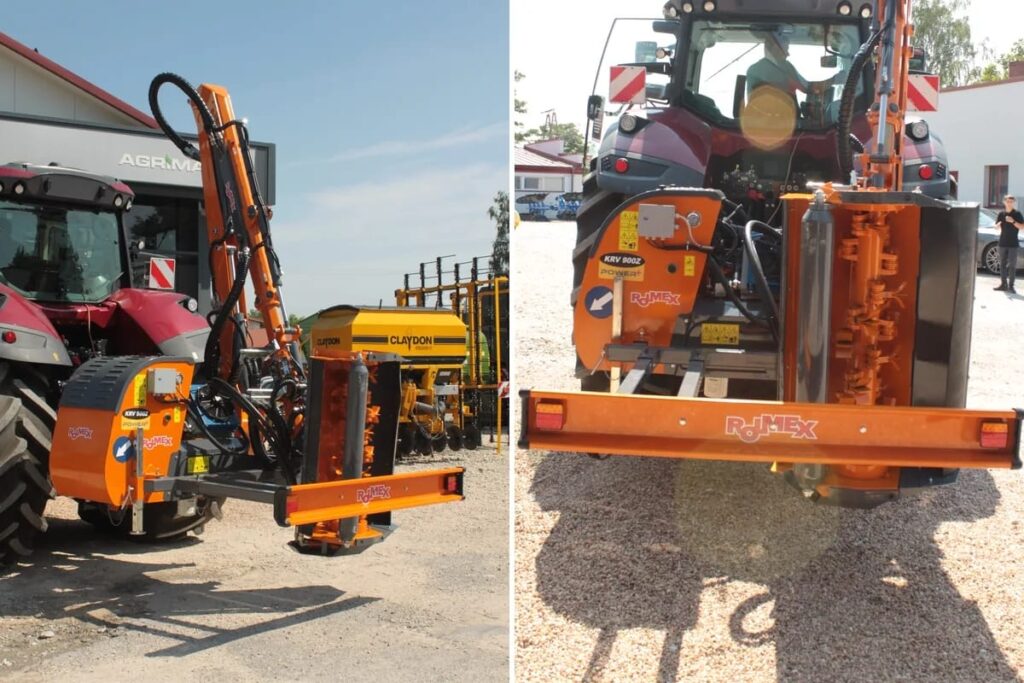
Productivity is also affected by the configuration of the set-up itself. The carrier must have adequate weight and power — examples of factory-matched sets are the New Holland T5 or KIOTI HX with a Rolmex arm. For long, continuous work the hydraulics matter too: we have described the differences between aluminium, cast-iron and high-pressure pumps in a separate post.
What is worth knowing before mowing large and varied areas?
- Planning eliminates unnecessary passes and shortens working time.
- The type of vegetation and the lie of the land determine the choice of equipment.
- Dividing the area into sectors makes it easier to monitor progress.
- In difficult spots, machines that mow from a safe distance are essential.
Planning to mow a large or difficult site? See Rolmex boom mowers or talk to us about configuring a set-up for your contract.
FAQ
How often should mowing of large areas be planned?
Road corridors and public areas usually require regular work during the growing season; the frequency depends on the vegetation and the intended use of the site.
Can every site be mown with a standard mower?
No. Slopes, ditches and steep gradients require boom mowers, which work from the road or from stable ground.
Why is dividing the site into stages important?
It allows better use of the machines, reduces travel between distant zones and makes it easier to monitor progress — and with several operators it avoids duplicated passes.